
Summer Adventures: Do you have the Right Insurance?

The sunscreen is packed, the playlist is ready, and someone has already asked the classic road trip question: “Did we bring snacks?”
Summer travel has a way of making everything feel simple. You load the car, hook up the trailer, or book the campsite and start counting down to that first stretch of open highway. But before you head out, it is worth taking a closer look at your insurance.
A lot of summer trips involve more than just a vehicle and a destination. You might be towing a trailer, taking the RV across the border, packing expensive gear, or leaving your home empty for a few days. Those details can change what coverage matters most.
Here is a practical way to review your protection before summer gets rolling.
Start with the Vehicle you are Actually Taking
If you are hitting the road in your everyday vehicle, now is a smart time to review the basics.
Ask yourself:
Is your liability coverage still at a level you feel comfortable with?
Do you have collision and comprehensive coverage in place if your vehicle is damaged in an accident, storm, theft, or wildlife strike?
Have any details changed since your last renewal, like a new driver, a different commute, or a newer vehicle?
Summer driving can bring its own set of risks. More highway traffic, more construction, more hail, and more time on unfamiliar roads can all increase the chance that something unexpected happens.
This is also a good moment to make sure your pink card, registration, and any roadside assistance details are easy to find. It is not glamorous, but it is the kind of five-minute job that feels very satisfying later.
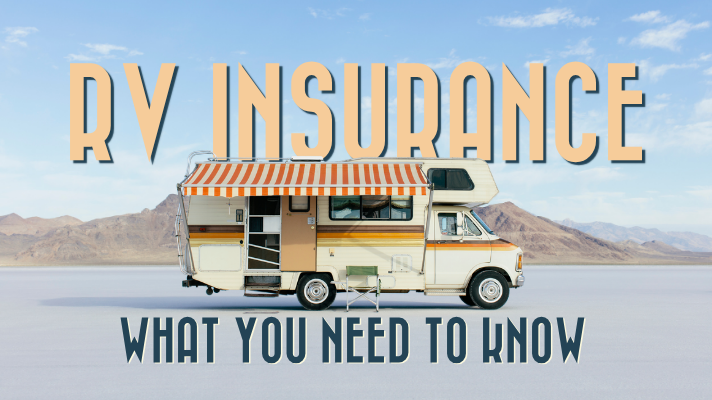
RVs and Trailers Need Their Own Conversation
This is where a lot of people get tripped up.
If you are taking an RV, travel trailer, or camper, do not assume every part of the trip is covered the same way. A motorhome, for example, is usually insured differently from a trailer you tow behind your vehicle. And even with a trailer, there can be important differences between what is covered while it is attached, parked at camp, or sitting in storage.
A few questions can help uncover gaps:
Is the trailer itself insured for physical damage?
Are personal belongings inside covered, and if so, under which policy?
Do you have coverage for emergency expenses if a loss interrupts your trip?
Is roadside assistance included, and what are the towing limits?
Some trailer packages may include extras like emergency vacation expense coverage or roadside assistance, but the details can vary a lot. One policy may help with a short tow. Another may include broader trip-interruption support, fuel delivery, or mobile tire help. That is why it is worth reviewing the wording before you park on the shoulder, wondering what happens next.
Do Not Forget the Gear That Comes with the Adventure
Summer trips are rarely just about the vehicle.
You might be bringing bikes, paddleboards, golf clubs, camping equipment, or a cooler full of very optimistic meal planning. Some of that property may fall under your home or tenant policy, even while you are away, but limits and exclusions still matter.
This is especially important if you are travelling with higher-value items. If something is stolen from a campsite, damaged in transit, or lost during the trip, you want to know ahead of time which policy responds and whether your deductible makes a claim worthwhile.
A simple inventory on your phone can help. Snap a few photos, keep serial numbers where relevant, and make sure you know what is replaceable and what is sentimental enough that you would rather protect it properly from the start.
Travelling Outside Alberta or Crossing the Border
Heading to another province or into the United States adds another layer to your planning.
Your auto insurance may still apply, but it is wise to confirm how your policy responds when you travel out of province or cross the border. If you have an RV or trailer, ask whether there are any limitations tied to destination, length of trip, or how the unit is being used.
Travel insurance is also worth considering, especially if your trip involves flights, prepaid bookings, or medical concerns. Provincial health coverage may help with some emergency medical costs in Canada, but it does not always cover everything you might expect. Out-of-country travel brings even bigger gaps.
A quick review with your broker can help you sort out whether you need:
out-of-province or out-of-country travel medical coverage
trip cancellation or interruption coverage
extra documentation for cross-border travel
confirmation that your trailer, RV, or recreational gear is protected where you are going
What Alberta Drivers Should Know in Summer 2026
This summer also comes with a broader insurance story in Alberta.
In May 2026, Alberta moved forward with legislation supporting its upcoming Care-First auto insurance model, which is set to take effect on January 1, 2027. That does not mean your current summer road trip works under a brand new system today. It does mean the province is in a transition period, and drivers may be hearing more about changes to claims, benefits, and how auto insurance will work in the future.
For most people, the practical takeaway right now is simple: do not assume that hearing about reform means your current policy has automatically changed. If you are unsure what your present coverage includes, this is a good time to ask. Summer is busy enough without trying to decode insurance headlines from the passenger seat.
A Quick Pre-Trip Insurance Checklist
Before you head out, here is a solid last look:
Review your auto policy and confirm the vehicle details are current.
Check how your RV, trailer, or camper is insured in transit, at camp, and in storage.
Confirm whether roadside assistance is included and what it actually covers.
Think through any expensive gear you are packing and where that coverage sits.
Ask about travel insurance if you are leaving the province or country.
Make sure your documents and emergency contact numbers are easy to access.
It is not about turning a vacation into homework. It is about heading into summer knowing the big pieces are taken care of.
The Goal is Peace of Mind, Not Paperwork for the Sake of It
The best part of good insurance is that it lets you get back to thinking about the fun stuff. The coffee stop is in the middle of nowhere. The first night at the lake. The family photo where nobody is looking at the camera.
If your summer plans include more miles, more gear, or more adventure than usual, a quick insurance review can help you travel with a little more confidence.
And honestly, that is a pretty good travel companion.


Comments